
e-BIMO
RUN, RUN, RUN!

Worksheets
Science made simple.
E-BIMO turns bioinformatics and Banten’s rich biodiversity into fun, hands-on worksheets activities for classrooms and curious minds.
Blog
Assesment
Publication
License
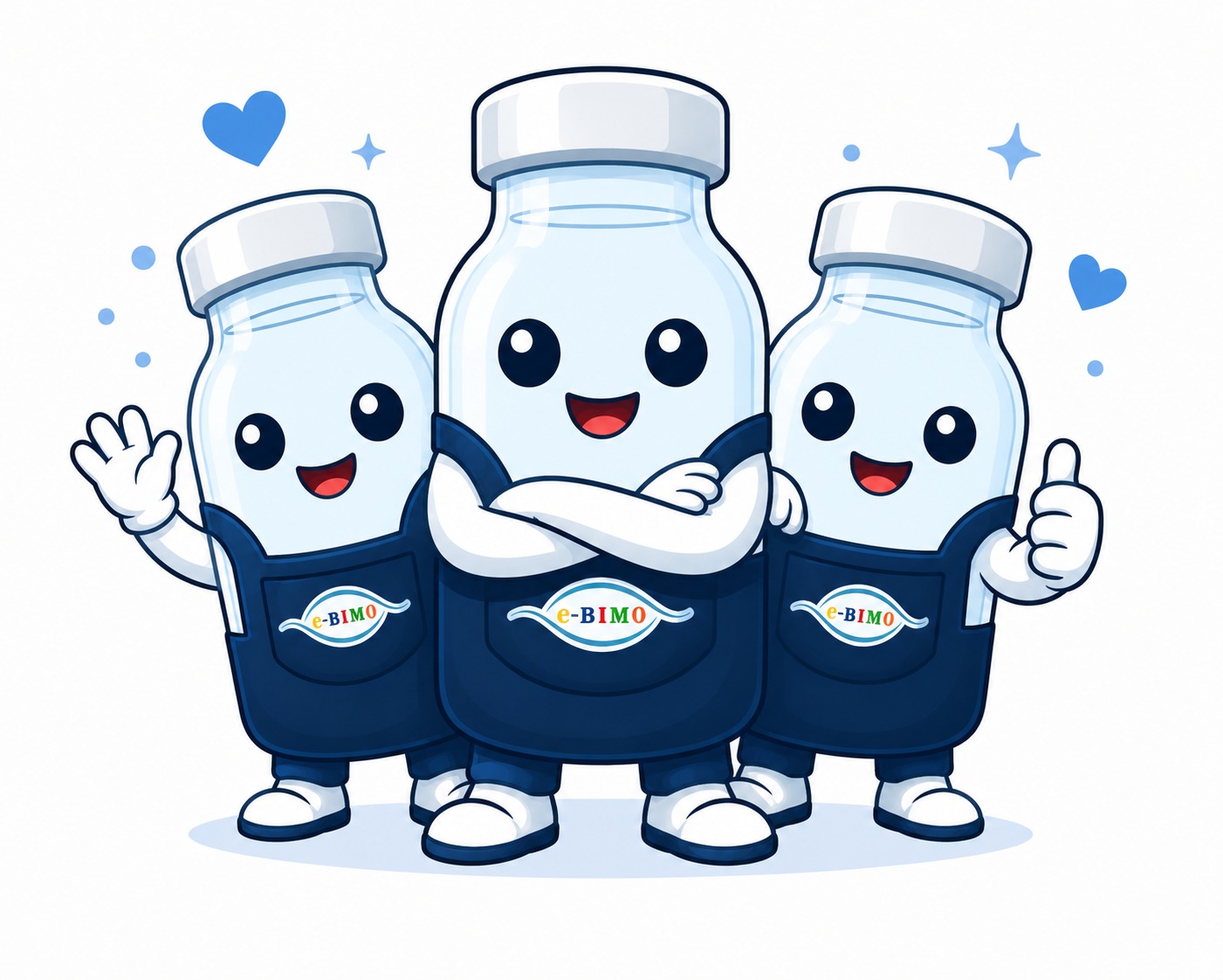
The Team
About us
E-BIMO (e-Bioinformatics Module) is based on the idea that bioinformatics can be used not only by researchers using wet labs but also by prospective biology teachers to prepare them for teaching biology to high school students. e-BIMO follows biology research trends to meet the needs of students studying bioinformatics, particularly prospective biology teachers in bioinformatics education courses. e-BIMO provides prospective biology teachers with an overview of how to teach bioinformatics in a simple way to high school students, thereby enhancing various student skills, particularly computational thinking skills, bioinformatics skills, an understanding of molecular genetics, and STEM literacy.
The material in e-BIMO covers genetics, biotechnology, and evolution, with numerous case studies that can be solved using bioinformatics tools. The topics presented in this module include genetic diseases, forensic science, and phylogenetics, which can accommodate concepts in molecular genetics. The learning activity sheets used in the CIbT learning model are unique for each step. Each theme begins with an initial question followed by a video relevant to the topic. This section allows you to provide feedback and opinions to explore your prior knowledge. This is followed by case presentations, materials, exercises, mind-on activities, and hands-on activities. At the end of each theme, participants are asked to answer the same questions as at the beginning so they can reflect on their progress and understanding.
The bioinformatics tools provided in e-BIMO include BLAST (Basic Local Alignment Search Tool), Clustal Omega, Python, MEGA (Molecular Evolutionary Genetics Analysis), Uniprot, and SMS (Sequence Manipulation Suite). The cases presented are derived from research articles and also from the e-BIMO team's direct explorations of various potential areas, such as Pandeglang, Banten, Ujung Kulon National Park, and the Outer and Inner Baduy of Kanekes Village, Banten. This is closely related to deep learning, where bioinformatics learning must be contextualized tin daily life, thus linking it to local wisdom.
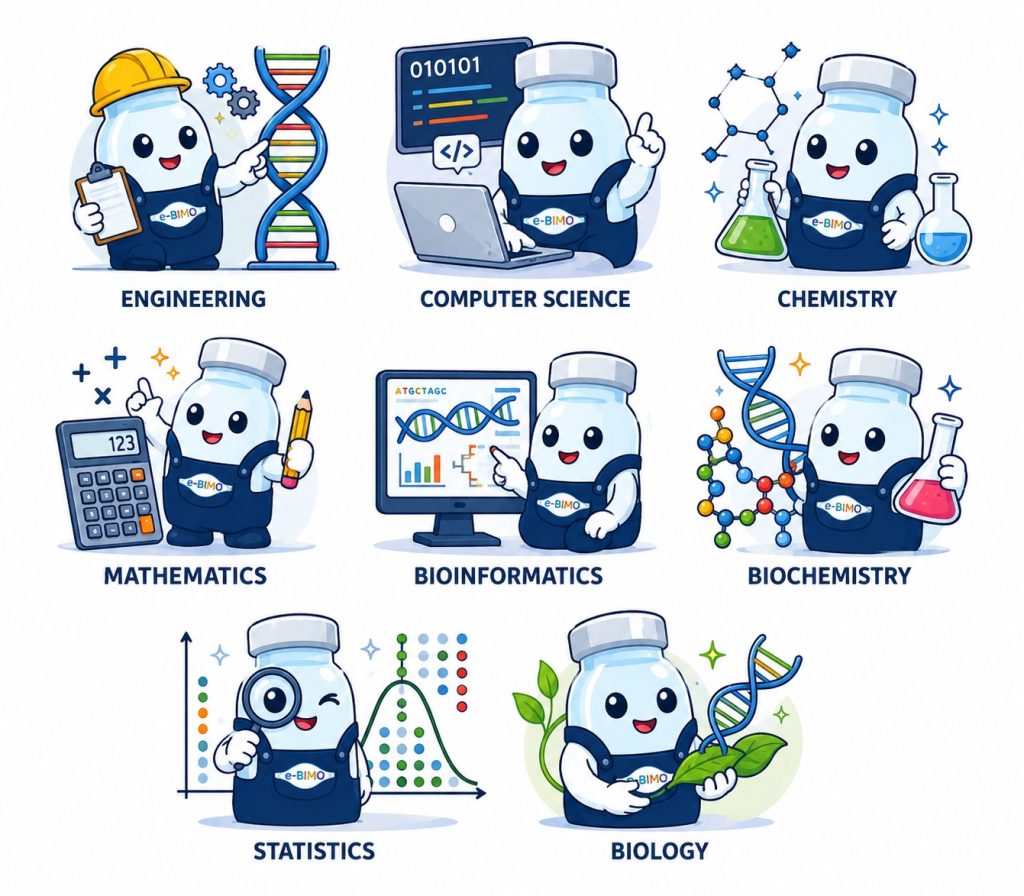
Talk to us
Have questions? We’re always ready to discuss biodiversity education, bioinformatics resources, or how e-BIMO can support teachers and students with engaging science materials on Banten’s ecosystems.